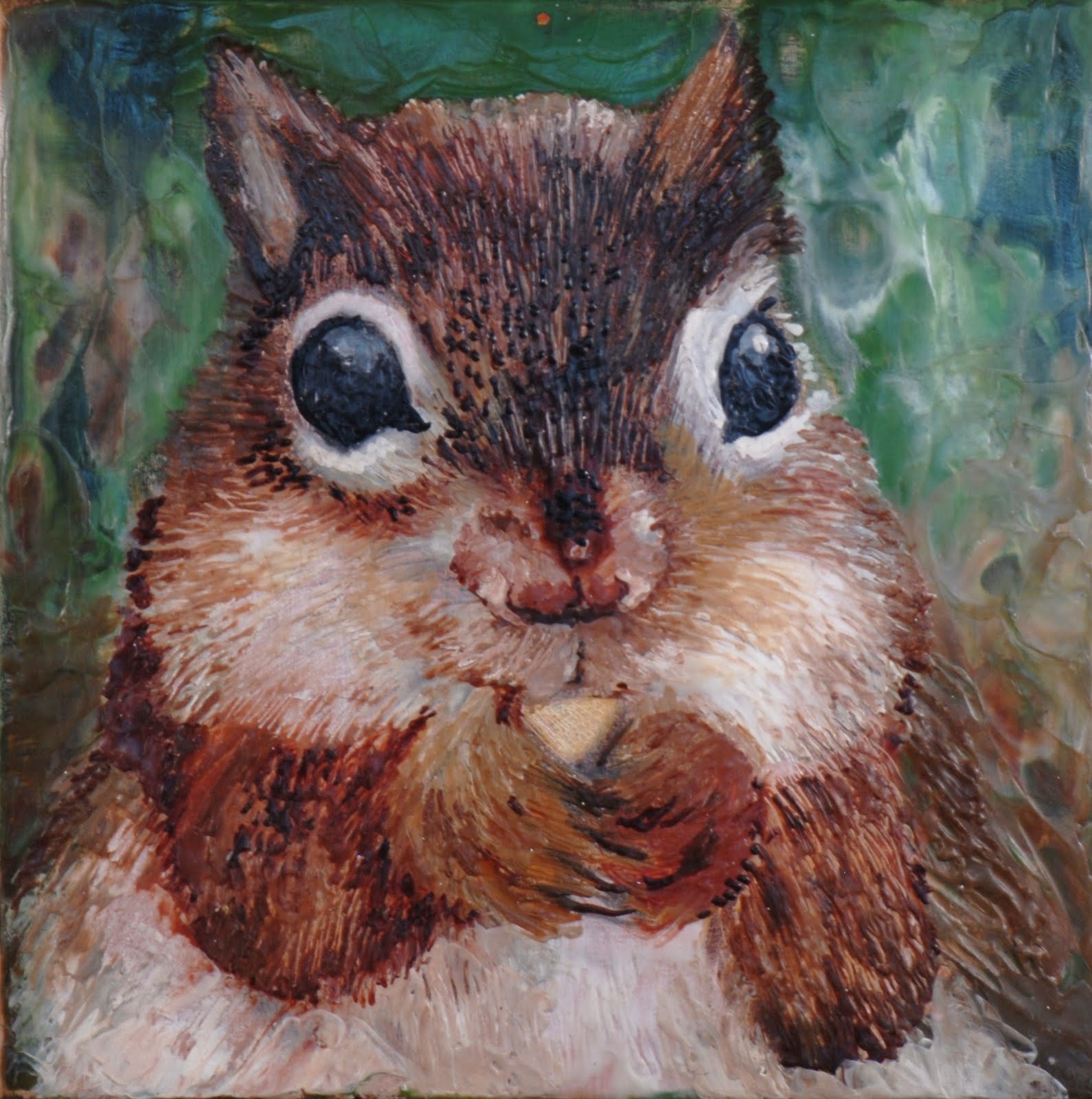
Encaustic is considered one of the most ancient painting mediums in the world. The word “encaustic” comes from the Greek encaustikos, “to burn in,” referring to the process of fusing the layers of paint together. The oldest surviving use is the well-known Fayum portraits painted on tombs from Roman Egypt around 100-350 A.D. After disappearing for much of history, it was revived in the 1950s by Jasper Johns, who is often considered the father of contemporary encaustic painting. He used the medium most famously in his Flags and Target paintings.
Materials and Tools
Encaustic paint is usually made from beeswax, damar resin, and pigment. The beeswax has a relatively low melting point, approximately 150F, and is strained multiple times to remove impurities. Because of this low melting point, damar resin is added, which serves both to raise the melting point to about 165F and to act as a hardening agent, so the encaustic has a slightly enamel end when cool.